Independent referral website

Flood-specific guidance · Lancaster, California

Flood Damage Restoration Help in Lancaster, CA

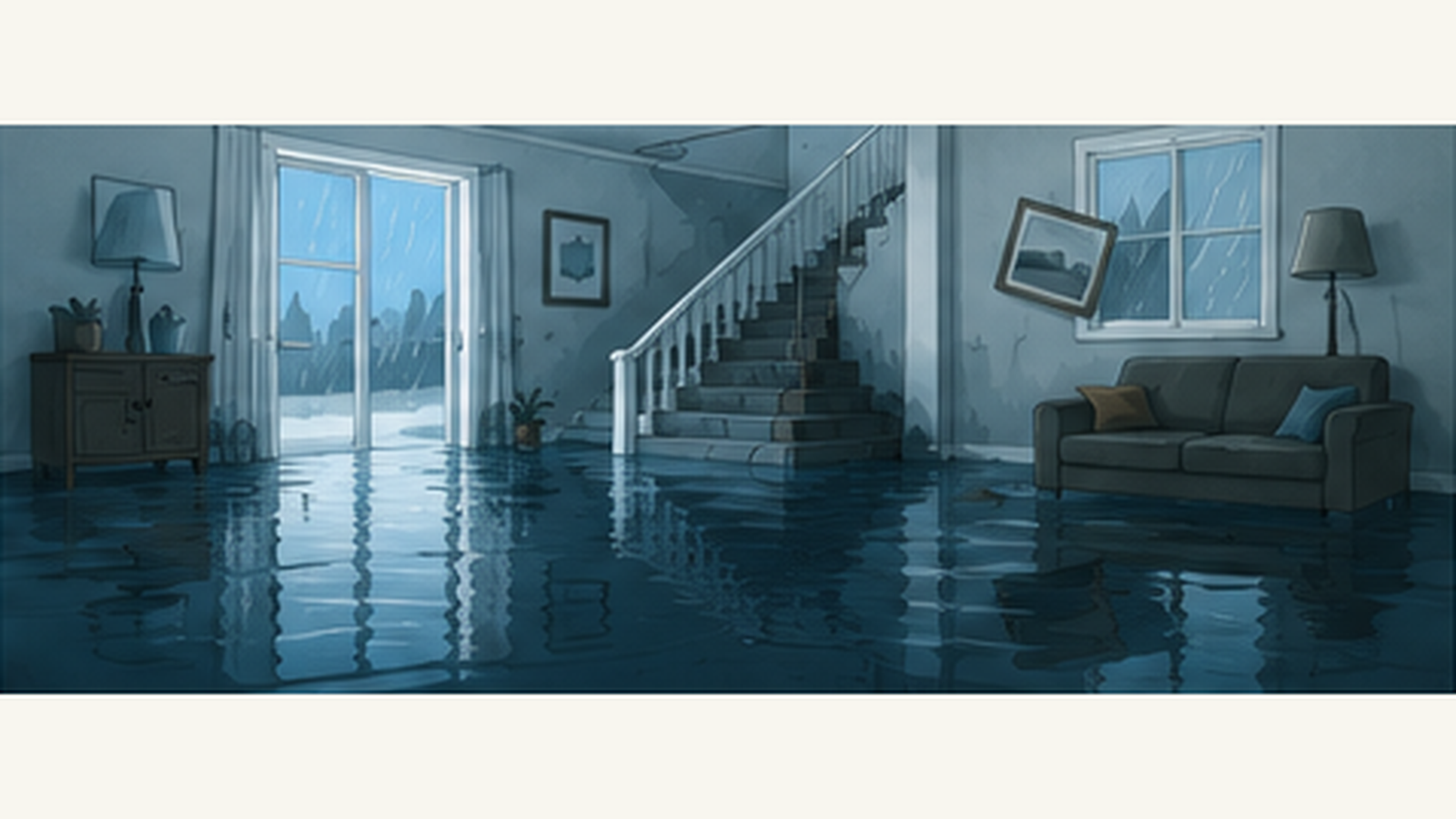
Flooding can create a different set of decisions than a localized plumbing leak. Standing floodwater may hide electrical hazards, carry debris or harmful substances, and affect floors, walls, furnishings, and other materials across a wider area. Before cleanup begins, the first priority is deciding whether the affected area can be approached safely.

Request Flood Damage Help Phone number pending Phone routing must be verified before this call action can be enabled.
01
Do not rush inConsider electrical, structural and floodwater hazards first.
02
Limit contactFloodwater may carry debris, germs or harmful substances.
03
Assess materialsWater can affect contents and materials beyond visible surfaces.
04
Check coverageFlood insurance is different from many internal water-loss claims.

Safety before cleanup

Before You Start Cleaning Up Floodwater

Avoid unnecessary contact with floodwater. CDC guidance says floodwater may contain sewage, chemicals, germs, debris, displaced animals, or electrical hazards. The exact condition of a particular property cannot be determined from this page, so visible structural damage, downed power lines, or other obvious hazards are reasons to stay out and follow emergency or local-authority guidance.

Do not operate electrical equipment or switch power on or off while standing in water. If the main electrical switch cannot be reached from a dry location, CDC advises having an electrician handle the shutdown.

Why this page is separate

What Makes Flood Damage Different From a Typical Water Leak

A localized leak or burst pipe usually begins with a specific internal water source. A flood or inundation event can involve standing water, broader contact with building materials and belongings, uncertain water quality, and additional decisions about entering the property and handling affected contents.

Those differences are the focus of this page. For leaks, burst pipes, emergency water damage, and the general water removal and repair process, see water damage restoration in Lancaster.

What Flood Damage Restoration Can Involve

Once safety conditions allow cleanup to proceed, flood restoration can involve assessing the affected areas, removing standing water, drying wet materials, cleaning where appropriate, and determining what can be restored or must be replaced.

Those steps overlap with the broader water damage restoration process. This page therefore keeps the generic extraction, drying, and repair sequence brief. For a fuller explanation of water removal, drying, and restoration, use the water damage restoration page.

Materials & contents

Wet Materials, Contents, and Hidden Moisture After a Flood

Floodwater can reach more than visible floor surfaces. Absorbent materials, wall assemblies, cabinets, furnishings, and stored belongings may retain moisture even after standing water is gone.

EPA flood-cleanup guidance recommends cleaning and drying flood-affected areas and items promptly—ideally within 24–48 hours when possible—and discarding items that cannot be adequately cleaned and dried. That guidance is a general safety and moisture-control principle; it does not determine whether a specific material in a particular property should be removed or replaced.

Coverage context

Flood Insurance and Other Water-Damage Coverage

Insurance treatment depends on both the cause of the loss and the individual policy. The California Department of Insurance explains that standard homeowners insurance generally does not cover flood damage, while some sudden and accidental water losses may be treated differently.

Do not assume coverage from the type of damage alone. Review the policy, document the loss as appropriate, and contact the insurer for a coverage decision. The insurance information here is general; it is not a coverage decision or a promise of claims-handling or direct-billing support.

Is It Safe to Stay in or Re-enter a Flooded Property?

There is no universal yes-or-no answer that can be given without evaluating the actual property. Flooded buildings can have electrical, structural, contamination, mold, and other hazards.

Do not enter when there are obvious structural or electrical dangers. If standing water, damaged utilities, unstable materials, or other hazards make the situation uncertain, follow emergency or local-authority guidance and obtain qualified safety assistance before entering.

Flood-specific questions

Flood Damage Restoration Questions

Can I clean up flood damage myself?

The first question is not simply whether the cleanup is small enough to do yourself; it is whether the area is safe to enter and whether contact with floodwater can be avoided. Do not use electrical tools or switches while standing in water, and do not assume floodwater is clean. If hazards or the extent of damage are unclear, get appropriate professional or public-safety guidance before proceeding.

Does homeowners insurance cover flood damage?

Standard homeowners insurance generally does not cover flood damage. Separate flood coverage may apply, and other sudden accidental water losses can be treated differently. The specific policy, cause of loss, exclusions, and endorsements control, so confirm coverage with the insurer.

Is flood damage restoration the same as ordinary water damage restoration?

The core restoration steps can overlap, including water removal, drying, cleaning, and repair. Flood events add a different decision layer around standing-water hazards, potential contamination, re-entry, affected contents and materials, and flood-specific insurance questions. That additional context is why this page remains separate from the general water damage restoration page.

Localized internal water source?

For Leaks, Burst Pipes, and General Water Damage

If the problem came from a plumbing leak, appliance overflow, burst pipe, or another localized internal water source rather than a flooding event, go to the Lancaster water damage restoration page. That page owns the broader extraction, drying, repair, and emergency-water-damage guidance.

Go to general water damage restoration guidance

Request Flood Damage Restoration Help in Lancaster

Request Flood Damage Help Phone number pending Phone routing must be verified before this call action can be enabled.