Water damage restoration guidance · Lancaster, California

Water Damage Restoration Help in Lancaster, CA

If a leak, overflow, burst pipe, or other water problem is spreading through a Lancaster property, start with safety and stop the source only when it is safe. Then call to describe what happened, where water is visible, and which areas appear affected so you can discuss possible restoration next steps.

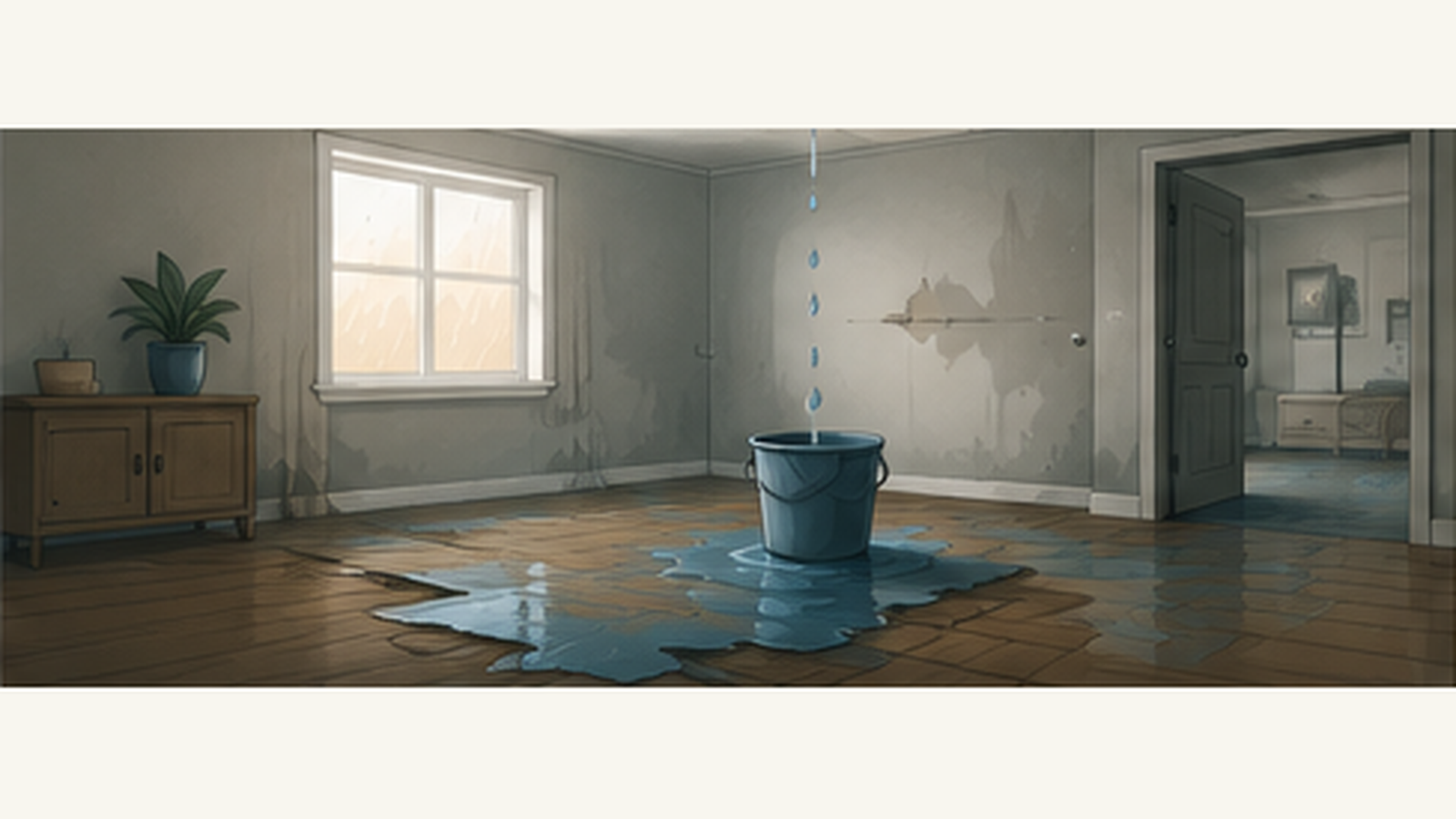
Editorial illustration of residential water damage affecting a ceiling, walls, and flooring.

Common Water Damage Situations

Water damage can follow plumbing leaks, overflowing fixtures or appliances, burst pipes, and rain entering through a damaged part of a building. The response depends on the source, how far the water traveled, the materials affected, and any safety hazards.

This page covers the broader restoration path: water removal, drying, and repair. For a flood-specific situation, see our flood damage restoration page.

The restoration path

What Water Damage Restoration Can Involve

The process usually begins by identifying the source and assessing the affected areas and materials. Depending on the situation, the work can include:

  • removing standing or excess water;
  • drying wet materials and spaces;
  • cleaning affected areas when appropriate;
  • checking what can be restored; and
  • repairing or replacing materials that cannot be adequately recovered.

Drying should begin promptly. EPA guidance says water-damaged areas and items should be dried within 24–48 hours when possible to help prevent mold growth.

Removal & moisture

Water Extraction and Drying

Water extraction or removal is one stage of restoration. Removing excess water creates the conditions for drying and for a better assessment of floors, walls, cabinets, and other materials that may have absorbed moisture.

After removal, airflow and dehumidification may be used to reduce remaining moisture. The goal is not simply to make the surface look dry, but to address the wet materials that are part of the restoration scope. If the surface looks dry but stains, dampness, buckling, or odors remain, review the signs of hidden water damage.

Recovery

From Drying to Repair

Some materials can be dried and cleaned. Others may need to be removed or replaced if they cannot be fully cleaned and dried. That is why water damage repair belongs within the broader restoration process rather than being treated as a completely separate problem.

The repair or reconstruction scope depends on the actual conditions and on what work is included by the provider handling the job.

Urgent situations

If the Water Damage Is Urgent

Safety comes first. If there is standing water near electrical equipment or you would have to enter water to reach the main electrical switch, do not do it. CDC guidance says never turn power on or off while standing in water; if the main switch cannot be reached from a dry location, an electrician should handle the shutdown.

If it is safe to do so, stop the water source and keep people away from immediate hazards. Then request restoration help if the situation appears to need water removal, drying, or repair. The first-step water damage guide provides a fuller safety and documentation sequence.

Burst Pipe Water Damage

Once a burst pipe is stopped safely, the next concerns are removing water, drying affected materials, and determining what needs cleaning, repair, or replacement. Burst-pipe damage is covered here as a water-damage situation rather than on a separate service page.

Questions homeowners ask

Water Damage Restoration FAQ

Can water damage be repaired?

Often, at least part of the affected area can be dried, cleaned, or repaired, but not every material can always be saved. EPA guidance notes that some porous materials may need replacement when they cannot be adequately cleaned and dried.

How much does water damage restoration cost?

There is no single price that applies to every job. The scope depends on factors such as the size of the affected area, the materials involved, the amount of water to remove, drying requirements, and whether repair or replacement is needed. A useful estimate requires an assessment of the actual property. For general national context and scope factors, see the water damage restoration cost guide.

Can I handle water damage myself?

A small surface spill is different from water that has spread into building materials or created an electrical or other safety hazard. Never operate electrical switches or tools while standing in water. If the extent is unclear or the cleanup cannot be done safely, get qualified help rather than guessing.

How can I tell whether water damage is permanent?

The appearance of the surface alone may not show which materials can be saved. The key question is whether affected materials can be fully dried, cleaned, and returned to a sound condition. Some may be recoverable; others may require replacement.

Flood-specific guidance

Flood Damage Restoration

For a flood-specific incident, use the dedicated flood damage restoration in Lancaster page. This homepage intentionally keeps flood details brief so the two pages do not duplicate each other.

See flood-specific safety, materials and restoration guidance

Call About Water Damage at a Lancaster Property

Explain what happened and where the water appears to have spread. You can discuss possible removal, drying, cleanup, and repair needs without having to determine the full scope yourself.

See what to expect when you call.